-01.png)

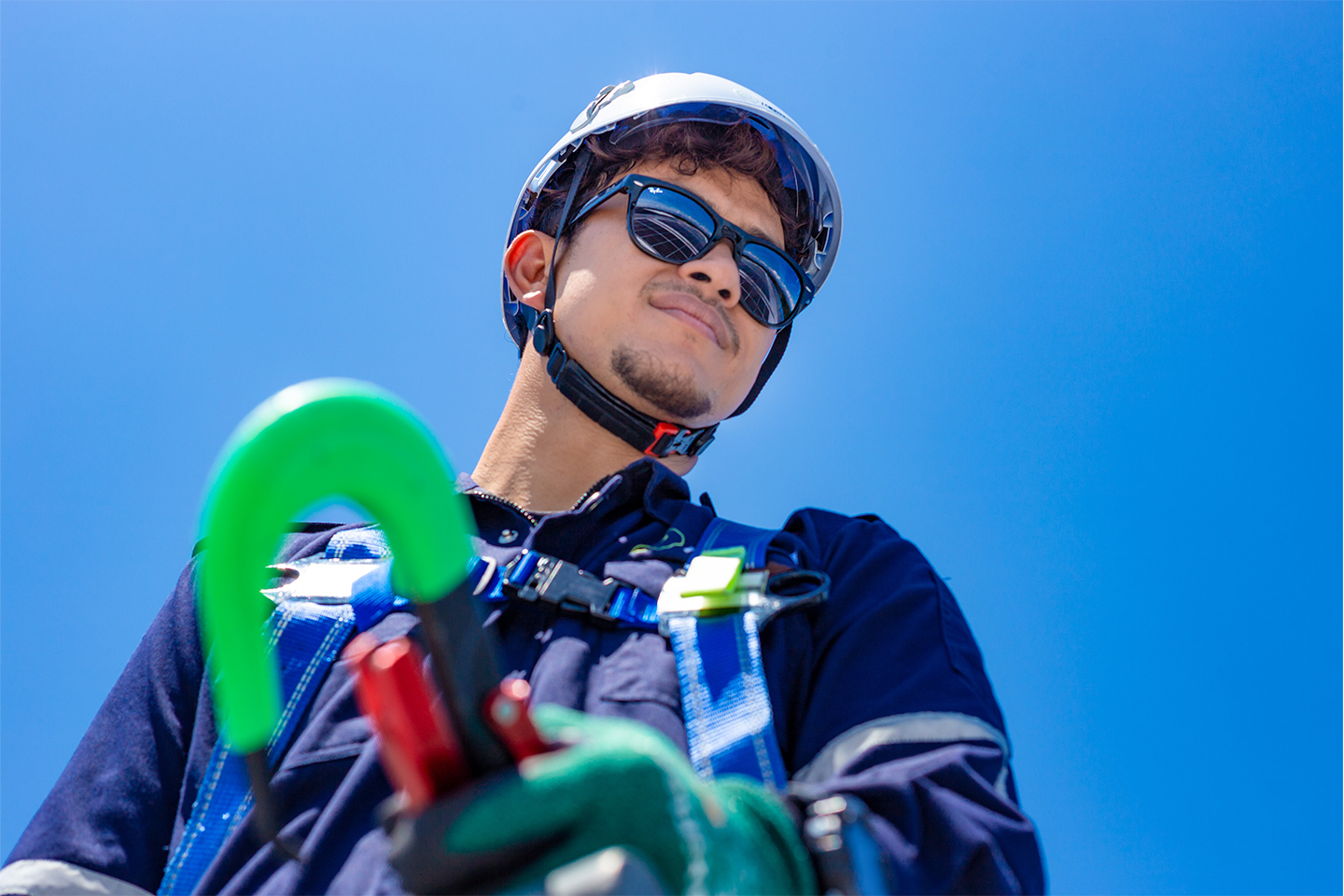
Installing rooftop solar panels is more than just mounting modules and wiring them up. It involves working at height, roof access, structural assessment, electrical safety, and compliance with local regulations. For business owners, facility managers, or developers in Malaysia seeking a reliable solar installation partner, choosing a team of certified working-at-height professionals is a critical decision that impacts safety, compliance, system performance, and long-term return on investment (ROI).
In 2025, with the updated Energy Commission of Malaysia (EC) guidelines, the Guidelines for Solar Photovoltaic Installation for Self-Consumption in Peninsular Malaysia, stakeholders are now legally required to ensure that solar PV installations for self-consumption comply with stricter standards for design, installation, testing, commissioning, and maintenance.
Below we explain why certified working-at-height professionals are essential, what risks they mitigate, and what you should ask before awarding a solar installation contract.
By aligning with these regulations, a solar installer demonstrates both legal compliance and commitment to safety and quality.
Rooftop solar installation is inherently hazardous. Some of the most common and serious risks include:
A 2025 international occupational health review specifically calls out “falls from heights (i.e., rooftop installers with limited walking space)” among the major hazards for solar installation workers.
Because of these risks, installing solar PV is not a simple handyman job. It requires planning, trained personnel, risk mitigation, and compliance.
When you engage a solar installer that uses certified working-at-height professionals, you gain several important advantages:
These aspects directly impact not only the safety of workers, but also the reliability, performance, and longevity of your solar PV system which is critical for ESG targets, ROI, and corporate liability management.
When evaluating proposals, ask the contractor these questions to assess their safety and compliance standards:
For commercial, industrial or agricultural clients (such as factories, warehouses, farms, or large commercial buildings), rooftop solar installations often involve sizeable systems, heavier modules, complex wiring, and multiple roof access points. In these cases:
Using certified working-at-height professionals becomes not only a best practice, but a strategic necessity. It is a risk-mitigation decision that protects people, assets, and long-term business interests.
At i2 Energy we follow a comprehensive approach on every solar installation combining working-at-height certification, continuous safety training, rigorous roof assessment, fall protection planning, and compliance with Malaysian regulatory requirements.
Before work begins, our team:
After installation, we ensure the system’s structural integrity and electrical safety.
With this approach, our clients receive a solar PV system that delivers reliable, long-term performance and a peace of mind knowing it was installed with top-level safety, quality, and compliance.
Conclusion
Rooftop solar installation delivers long-term sustainability, cost savings, and ESG value. But beneath every panel lies a critical foundation of safety, regulation, quality, and human responsibility. Choosing certified working-at-height professionals is not optional. It is essential. Especially under the 2025 Malaysian solar PV regulations to protect your workforce, your investment, and your reputation.
When you partner with i2 Energy, you get more than just solar panels: you get professional installation, certified safety-first teams, regulatory compliance, and a solar system built for performance and longevity.
Sources:


Guide
Installing rooftop solar panels is more than just mounting modules and wiring them up. It involves working at height, roof access, structural assessment, electrical safety, and compliance with local regulations. For business owners, facility managers, or developers in Malaysia seeking a reliable solar installation partner, choosing a team of certified working-at-height professionals is a critical decision that impacts safety, compliance, system performance, and long-term return on investment (ROI).
In 2025, with the updated Energy Commission of Malaysia (EC) guidelines, the Guidelines for Solar Photovoltaic Installation for Self-Consumption in Peninsular Malaysia, stakeholders are now legally required to ensure that solar PV installations for self-consumption comply with stricter standards for design, installation, testing, commissioning, and maintenance.
Below we explain why certified working-at-height professionals are essential, what risks they mitigate, and what you should ask before awarding a solar installation contract.
By aligning with these regulations, a solar installer demonstrates both legal compliance and commitment to safety and quality.
Rooftop solar installation is inherently hazardous. Some of the most common and serious risks include:
A 2025 international occupational health review specifically calls out “falls from heights (i.e., rooftop installers with limited walking space)” among the major hazards for solar installation workers.
Because of these risks, installing solar PV is not a simple handyman job. It requires planning, trained personnel, risk mitigation, and compliance.
When you engage a solar installer that uses certified working-at-height professionals, you gain several important advantages:
These aspects directly impact not only the safety of workers, but also the reliability, performance, and longevity of your solar PV system which is critical for ESG targets, ROI, and corporate liability management.
When evaluating proposals, ask the contractor these questions to assess their safety and compliance standards:
For commercial, industrial or agricultural clients (such as factories, warehouses, farms, or large commercial buildings), rooftop solar installations often involve sizeable systems, heavier modules, complex wiring, and multiple roof access points. In these cases:
Using certified working-at-height professionals becomes not only a best practice, but a strategic necessity. It is a risk-mitigation decision that protects people, assets, and long-term business interests.
At i2 Energy we follow a comprehensive approach on every solar installation combining working-at-height certification, continuous safety training, rigorous roof assessment, fall protection planning, and compliance with Malaysian regulatory requirements.
Before work begins, our team:
After installation, we ensure the system’s structural integrity and electrical safety.
With this approach, our clients receive a solar PV system that delivers reliable, long-term performance and a peace of mind knowing it was installed with top-level safety, quality, and compliance.
Conclusion
Rooftop solar installation delivers long-term sustainability, cost savings, and ESG value. But beneath every panel lies a critical foundation of safety, regulation, quality, and human responsibility. Choosing certified working-at-height professionals is not optional. It is essential. Especially under the 2025 Malaysian solar PV regulations to protect your workforce, your investment, and your reputation.
When you partner with i2 Energy, you get more than just solar panels: you get professional installation, certified safety-first teams, regulatory compliance, and a solar system built for performance and longevity.
Sources:
Reach out to us